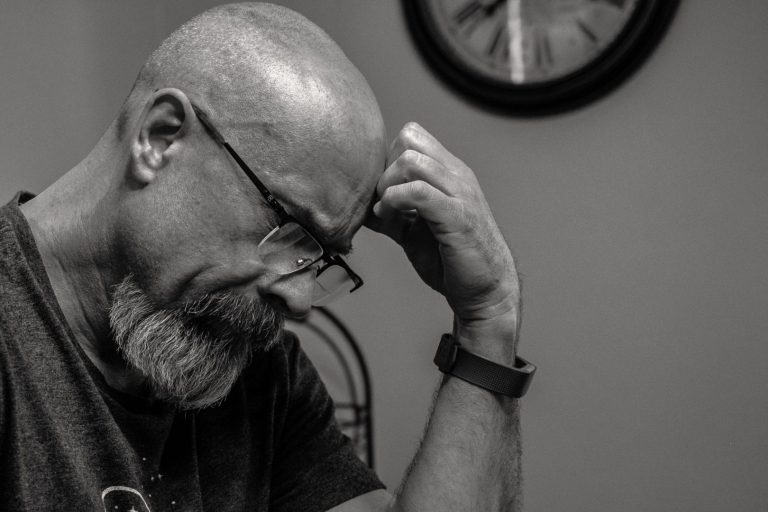

Building Resilience After Trauma
Resilience means adapting and recovering when life feels overwhelming or emotionally exhausting to handle alone. Meanwhile, it is not about pretending everything is fine or forcing constant strength. Instead, resilience involves finding small, meaningful ways to keep going despite uncertainty or emotional pain. Ultimately, building resilience takes patience, self-compassion, and a willingness to grow through life’s challenges.
Viewing Vulnerability Differently: A Path to Emotional Strength and Healing
Everyone experiences painful moments that shape us, but they do not have to define who we become going forward. Resilience grows when we choose to face challenges with awareness, compassion, and the willingness to keep moving. Healing requires time, self-reflection, and support from people or practices that help us feel safe again. So the goal is not to erase the past but to live meaningfully alongside it with strength and care. Through this blog, readers can explore practical ways to nurture emotional balance and rebuild their sense of inner safety and trust.
Viewing Vulnerability Differently: Understanding the Body’s Response to Trauma
Trauma often disrupts your sense of safety, affecting how you think, feel, and connect with others in your everyday environment. Many individuals report feeling persistently anxious, emotionally detached, or overwhelmed by vivid and distressing memories from the past. These natural responses are not signs of weakness but rather your nervous system’s effort to protect you from further harm. Your body reacts in survival mode, trying to manage the emotional impact of what it perceives as a significant ongoing threat.
Learning to Live Gently After Trauma
Sometimes emotions can feel unpredictable, leaving you overwhelmed and unsure how to regain emotional balance again. Healing becomes possible when you approach recovery with patience, compassion, and consistent effort. Gradually, your nervous system learns to recognise calm and trust safe environments once more. Consistency helps reinforce stability, reminding your body it no longer needs to stay in survival mode. Eventually, resilience grows through small, mindful actions that nurture confidence and self-compassion daily. Ultimately, living alongside the past allows healing to feel authentic, manageable, and grounded in emotional strength.
Rediscovering strength
Eventually, many people discover hidden strengths within themselves after going through deeply painful or traumatic experiences. Meanwhile, some find that forgiveness eases emotional weight, while others heal through mindfulness, creativity, or meaningful connection. However, forgiveness is not essential, and each person must find their own way to process pain. Therefore, it is important to honour your unique healing journey and move at a pace that feels right for you. Ultimately, discovering what supports your growth is more valuable than following any single approach to recovery.
Viewing Vulnerability Differently: A Path to Emotional Awareness and Healing
Recovery often begins with self-awareness, observing how your thoughts, body, and emotions respond during moments of stress or discomfort. Gradually, you may notice subtle shifts in your breathing or posture whenever something emotionally unsettling catches you off guard. Naming your emotions or journalling your feelings can help you process them and restore a sense of control and clarity. Sometimes, even the smallest act of acknowledgement can gently guide your nervous system back toward emotional stability and strength. Consistent awareness fosters confidence and rebuilds emotional balance, forming a strong foundation for long-term healing and growth.
Practical ways to support healing
1) Build a daily rhythm for Viewing Vulnerability Differently
Structure supports emotional balance by giving your day a rhythm that feels predictable, safe, and mentally grounding overall. Routines help signal to your body that daily life is no longer chaotic, even in small and subtle ways. Stability increases when simple habits are repeated, creating reassurance through consistency rather than rigid control or pressure. Consistency allows your nervous system to relax, reminding it that safety can exist in the ordinary moments you experience each day. Having a basic structure empowers healing by offering a calm framework that nurtures mental clarity and emotional security over time.
2) Write it out
Journaling creates emotional clarity by helping you explore difficult thoughts and feelings in a safe, non-judgemental way daily. Sometimes unexpected emotions surface through writing, offering insight into what you may have been unknowingly carrying for a long time. Others notice improved focus and reduced stress when they commit to regular, honest journaling as part of their routine. Ultimately, writing without pressure for perfection allows you to connect with your inner world and release emotional tension safely.
3) Reconnect with your body
Firstly, after trauma, many people find themselves feeling disconnected from their physical body and overall presence. Meanwhile, gentle activities like walking, stretching, or breathing exercises can gradually restore a sense of safety and grounding. Additionally, mindful movement allows the nervous system to shift away from survival mode and into calm. Therefore, creating space for regular physical connection supports emotional recovery in a steady and nurturing way. At the end of the day, these small practices help signal to your body that it is safe to relax and begin healing.
4) Notice small victories
Firstly, healing takes time and requires patience, so allow yourself grace as you move through each stage of the recovery process. Meanwhile, celebrate the little things, like getting out of bed, preparing a meal, or noticing a moment of calm. Those can be seen as signs of meaningful progress. Ultimately, these small victories might seem insignificant, but they build strength and create lasting change in ways you may not immediately recognise.
Embracing the Ups and Downs of Healing
Building emotional resilience after trauma requires patience, as recovery often moves in unpredictable ways that can feel frustrating or confusing at times. Sometimes you will notice meaningful progress, while other days may feel like setbacks that challenge your confidence and inner strength. However, these fluctuations are completely normal and part of the healing process as your mind and body adjust to a new sense of safety. Ultimately, consistent small choices and acts of self-kindness help you grow stronger and braver with each step you decide to take.
Final Thoughts
To wrap things up, resilience involves accepting your past while choosing to move forward with purpose and care. Meanwhile, each small act of self-compassion reinforces emotional strength and inner growth. Additionally, kindness towards yourself in difficult moments supports long-term healing and personal development. Therefore, continue showing up for yourself gently, knowing progress is built through patience and consistency.
Viewing Vulnerability Differently: Written by Augustė Glumbakaitė
Augustė Glumbakaitė was an intern with Willingness Malta. From workshops in different fields of psychology and supervision meetings, to the unforgettable experience of working with neurodiverse children, he learned about ADHD, autism, and how to provide emotional support during festivals to those who needed it most. Beyond that, Glumbakaitė also explored how different drugs affect the brain and behavior, how to recognize the symptoms of overdose, and what steps to take in those situations.
Book recommendations
The body keeps the score, 2015. Dr. Bessel van der Kolk
Bearing the unbearable: Love, Loss and the Heartbreaking path of Grief, 2017 Dr. Joanne Cacciatore
The Wisdom of Your Body: Finding Healing, Wholeness, and Connection through Embodied Living, 2021. Hillary L. McBride
References
Vella, S.-L. C., & Pai, N. B. (2019). A theoretical review of psychological resilience: Defining resilience and resilience research over the decades. Archives of Medicine and Health Sciences, 7(2), 233–239. DOI: 10.4103/amhs.amhs_119_19
Cloitre, M. (2014). Resilience after trauma: From surviving to thriving. European Journal of Psychotraumatology, 5(Suppl 4), 25339. DOI: https://doi.org/10.3402/ejpt.v5.25339
Vera Poseck, B., Carbelo Baquero, B., & Vecina Jiménez, M. L. The traumatic experience from positive psychology: Resiliency and post-traumatic growth. Psychologist Papers. Retrieved from https://www.psychologistpapers.net/English/1283.pdf
Tedeschi, R. G., & Calhoun, L. G. (2014). Resilience after trauma: From surviving to thriving. PMCID: PMC4185140. Retrieved from https://www.ncbi.nlm.nih.gov/pmc/articles/PMC4185140/