Do Couples Who Sweat Together Really Stay Together?
Recently, the phrase “couples who sweat together stay together” has circulated widely across social media fitness communities and posts. Interestingly, this catchy expression has sparked curiosity about whether working out together truly enhances romantic relationships and emotional bonds. Moreover, research increasingly shows that shared physical activity can improve connection, communication, and overall satisfaction between romantic partners. Exploring the science behind bonding workouts may reveal how exercise can impact relationships both physically and emotionally.
Why Working Out Together Could Improve Your Love Life
This blog explores how shared fitness routines can positively impact romantic relationships and emotional intimacy. Many couples seek new ways to connect, and exercising together offers a unique opportunity. Research highlights the benefits of joint workouts in strengthening communication, trust, and mutual support. Readers will learn how physical activity contributes to emotional growth and relationship satisfaction. At the end of the day, this post aims to inspire couples to explore fitness as a meaningful bonding experience.
Bonding Workouts: The Benefits of Exercising as a Couple
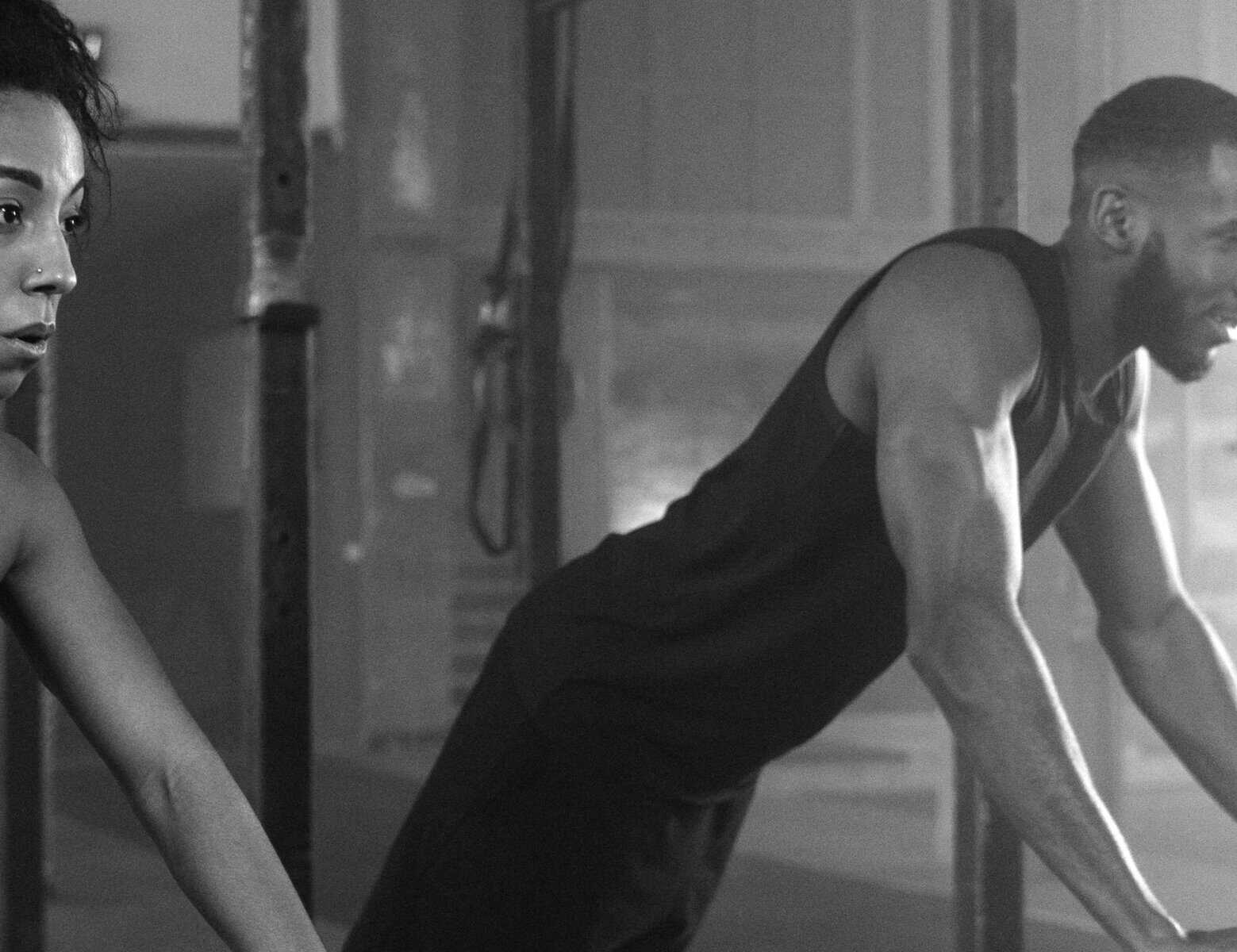
Engaging in regular exercise triggers the release of endorphins, which naturally elevate mood and reduce stress. Couples who work out together often associate these positive feelings with one another. Sharing physical challenges strengthens emotional connection and increases overall relationship satisfaction through mutual support. Movement in sync, such as running or dancing, can enhance non-verbal communication and trust. Ultimately, bonding workouts promote closeness by combining physical effort with emotional engagement in a shared experience.
Can Exercising Together Strengthen Your Relationship?
Researchers like Aron et al. (2000) discovered that shared exciting activities can strengthen romantic bonds and satisfaction. Exercise routines that feel fresh or physically demanding tend to recreate those same emotionally stimulating conditions effectively. Participating in activities such as partner yoga, intense circuits, or a team sport encourages collaboration and mutual accomplishment. These shared physical challenges can deepen connection, reinforce trust, and enhance long-term commitment between romantic partners.
Bonding Workouts: How Fitness Can Bring Couples Closer Together
Exercising as a couple builds trust, strengthens communication, and fosters a sense of mutual achievement. Sharing physical goals creates unity, boosts motivation, and enhances overall relationship satisfaction. Partners who train together often develop deeper emotional bonds and improved understanding of each other’s strengths. Consistency in joint workouts supports accountability, encourages routine, and promotes shared responsibility for health. Ultimately, spending this time together increases intimacy, reduces stress, and nurtures long-term emotional connection. Here is how it works:
- Quality Time – In busy modern life, couples often struggle to carve out meaningful time for each other. Exercising together creates a dedicated window of shared experience.
- Mutual Motivation – Studies show that people are more likely to stick to exercise routines when they have a partner (Carron, Hausenblas, & Mack, 1996). When that partner is also your significant other, the accountability is even stronger.
- Nonverbal Synchrony – Mirroring movements, such as running side by side or lifting weights in rhythm, can unconsciously increase feelings of closeness and connection (Finkel et al., 2012).
- Stress Reduction – Exercise reduces stress by lowering cortisol levels (Rimmele et al., 2009). Couples who de-stress together may find conflict resolution easier and communication smoother.
- Shared Goals and Celebrations – Whether it’s completing a 5K or hitting a fitness milestone, working toward and achieving goals as a team can reinforce commitment and mutual pride.
How Exercising Together Can Impact Your Relationship
Some couples may struggle to enjoy bonding workouts due to mismatched fitness levels, conflicting preferences, or differing expectations around shared exercise routines. Others actively choose solo workouts as a way to recharge, prioritise personal space, and maintain individual wellbeing within the relationship dynamic. Therefore, pushing joint fitness activities when one partner resists can unintentionally cause frustration, weaken emotional connection, and lead to unnecessary conflict between them.
Bonding Workouts: Strengthening Relationships Through Shared Fitness
Firstly, couples aiming to exercise together should ensure their workouts remain enjoyable, balanced, and suited to both partners’ fitness levels. Moreover, engaging in low-pressure activities such as hiking, dancing, cycling, or yoga can make the experience more relaxed and rewarding. Additionally, focusing on shared enjoyment rather than competitive performance helps maintain emotional connection and mutual motivation throughout their fitness journey. Consequently, adapting routines based on comfort, preference, and energy ensures consistency and prevents unnecessary stress or burnout in the relationship. By prioritising fun, flexibility, and bonding, couples can strengthen both their physical wellbeing and their emotional connection over time.
Final Thoughts on Bonding Workouts
To wrap things up, exercising together, while not a guaranteed solution for lasting love, significantly boosts emotional intimacy, trust, and mutual support. Meanwhile, shared physical activity encourages stronger communication, better stress management, and a deeper sense of relational teamwork and commitment. Ultimately, couples who prioritise bonding workouts often find they don’t just stay together—they evolve, thrive, and grow in love together.
Written by Yasmine Bonnici
If you think that you can benefit from professional support on this issue you can reach out here.
Yasmine Bonnici has obtained a degree in nursing (Hons) and a Masters in Counselling (Melit) from the University of Malta. She was drawn to counselling because she felt that in the medical field there is a tendency to focus on one’s physical needs and neglect the psychological aspect. Thus this led to her to achieve her temporary warrant in counselling.
References
- Aron, A., Norman, C. C., Aron, E. N., McKenna, C., & Heyman, R. E. (2000). Couples’ shared participation in novel and arousing activities and experienced relationship quality. Journal of Personality and Social Psychology, 78(2), 273–284.
- Carron, A. V., Hausenblas, H. A., & Mack, D. (1996). Social influence and exercise: A meta-analysis. Journal of Sport & Exercise Psychology, 18(1), 1–16.
- Finkel, E. J., Slotter, E. B., Luchies, L. B., Walton, G. M., & Gross, J. J. (2012). A brief intervention to promote conflict reappraisal preserves marital quality over time. Psychological Science, 24(8), 1595–1601.
- Harber, V. J., & Sutton, J. R. (1984). Endorphins and exercise. Sports Medicine, 1(2), 154–171.
- Rimmele, U., Seiler, R., Marti, B., Wirtz, P. H., Ehlert, U., & Heinrichs, M. (2009). The level of physical activity affects adrenal and cardiovascular reactivity to psychosocial stress. Psychoneuroendocrinology, 34(2), 190–198.