
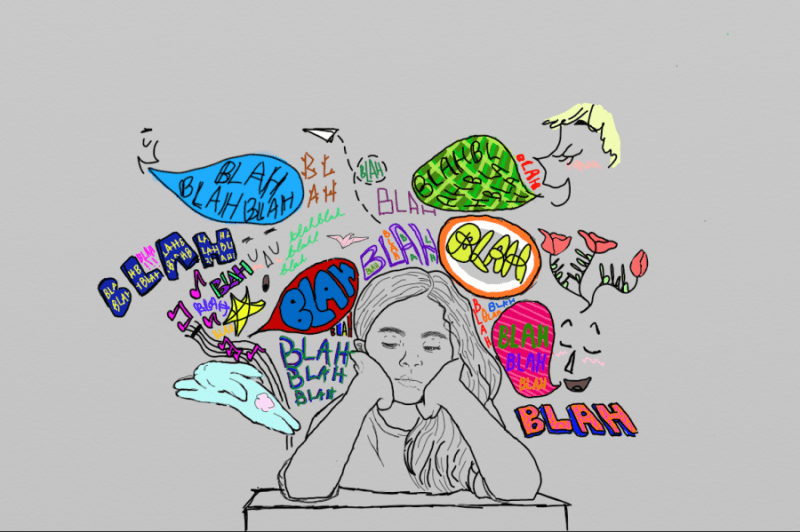
Understanding ADHD
I am going to assume that if you are reading this, you’re human with shared biological features. While humans share similarities, our brains function in different ways, shaping how we experience attention and daily life. Consequently, this blog explores experiences of attention difficulties, impulsivity, organization, and restlessness, informed by insights from Gestalt therapy perspectives.
ADHD In Everyday Life and Symptom Awareness
Attention Deficit Hyperactivity Disorder presents with symptoms related to attention difficulties, hyperactivity, impulsivity, or a combination of these traits. Additionally, individuals experience ADHD symptoms differently, as each person presents with unique patterns of behavior, attention, and emotional regulation. Moreover, although no single cause exists, ADHD often runs in families, with genetic and environmental factors contributing to its development. Furthermore, various treatments support individuals with ADHD, including therapy and medication, which help manage symptoms and improve daily functioning. Professionals should also consider potential thyroid imbalances when assessing symptoms, as these can sometimes influence or mimic ADHD presentations.
ADHD In Everyday Life and Lifespan Changes
ADHD is a common experience in children globally, and some individuals continue to show traits of this condition into adulthood. Additionally, this condition is often characterized by difficulties in cognitive domains such as working memory, planning, and sustained attention. Moreover, these traits can pose significant challenges, particularly as they emerge during periods of rapid development and important life transitions. Symptoms typically begin before the age of twelve, influencing how individuals manage learning, behavior, and emotional regulation over time.
How ADHD Manifests in Different Settings
Firstly, these difficulties are experienced across a variety of contexts, including school, work, and home environments, affecting how individuals function in everyday life. Additionally, ADHD can sometimes be difficult to recognize, as certain symptoms may become internalized, making them less visible to others around them. Consequently, hyperactivity may present as inner restlessness, making it harder to identify without careful observation and a deeper understanding of individual experiences.
Questioning Behavior Through a Holistic Lens
Gestalt therapy considers each human being as a whole, recognizing that individuals are more than the sum of parts. Additionally, this perspective invites individuals to explore history, personality, environment, relationships, and emerging symptoms alongside personal coping strategies. Moreover, the Gestalt approach emphasizes the lived here and now experience, encouraging awareness of present thoughts, feelings, and behaviors. Furthermore, individuals with ADHD traits may experience heightened sensitivity to stimuli, which can influence how attention shifts between different environmental inputs. This constant shifting of attention can reflect an adaptive response, where individuals remain highly responsive to changes within their surroundings.
ADHD In Everyday Life and Attention Challenges
With so many stimuli being perceived, individuals often find it difficult to prioritize their needs, leading to interrupted tasks and dissatisfaction. Additionally, this constant interruption of tasks can prevent individuals from completing activities, which may reduce their sense of achievement and satisfaction. Moreover, internal confusion and difficulty sustaining attention can lead to feelings of frustration, distress, disappointment, and anxiety about meeting expectations. Seeking appropriate support and treatment becomes important in helping individuals manage these challenges and improve overall wellbeing.
ADHD In Everyday Life and Functional Strengths
Although ADHD presents significant challenges in modern society, it is also considered a beneficial evolutionary trait that once supported survival. Additionally, traits such as heightened awareness, curiosity, and responsiveness may have helped hunter-gatherer ancestors remain alert to environmental changes. Moreover, some argue it is unusual for individuals to remain seated for extended periods, as human bodies evolved for movement. Furthermore, prolonged sitting can contribute to discomfort, reduced focus, and restlessness, making regular physical activity an important part of daily wellbeing. Ultimately, recognizing both challenges and strengths allows individuals to approach ADHD with greater balance, self-awareness, understanding, and practical support.
Final Thoughts
To wrap up here, Gestalt therapy uses play and dialogue to support individuals with ADHD in expressing their experiences clearly. This approach encourages awareness, helping individuals with ADHD better understand how they relate to themselves. Individuals with ADHD become active participants in their wellbeing, fostering growth, self-awareness, and intentional engagement daily.
ADHD In Everyday Life: Written by Amber Tabone
Amber Tabone practices Gestalt Psychotherapy with individuals and couples at Willingness, currently reading for a Master’s in Psychotherapy. She’s developed an interest in working with relationships, gender, and sexuality. This is due to her experience with families and domestic violence issues.
References
Krans, B. (2018, 11 1). Healthline. Retrieved from https://www.healthline.com/health/adhd/evolution
Serfontein, M. (2017). The effects of Gestalt group work on behavioural aspects of ADHD among adolescents in a school setting. University of Pretoria. Retrieved from https://repository.up.ac.za/bitstream/handle/2263/62656/Serfontein_Effect_2017.pdf?isAllowed=y&sequence=1