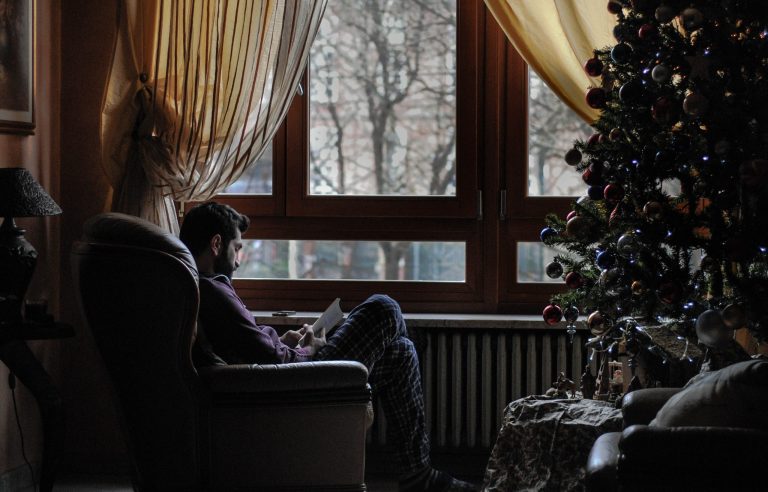

Supporting Older Adults During Christmas
Christmas traditionally brings us joy and connection, filled with warmth, celebration, and cherished family moments. However, many older adults experience mixed emotions including loneliness, grief, or anxiety. Therefore, recognizing and supporting their unique festive needs significantly enhances their emotional and physical well-being.
Understanding the Elderly Christmas Experience
Occasionally, older adults experience Christmas as a reminder of lost traditions and declining physical or emotional health. On the other hand, large family gatherings may overwhelm them due to noise, mobility issues, or cognitive difficulties. Sometimes, dementia can make festive routines confusing, causing anxiety instead of comfort during celebrations. As an alternative, spending Christmas alone may increase feelings of invisibility, sadness, or disconnection from others. Recognizing these emotional needs allows families to provide thoughtful support and meaningful festive inclusion.
Improving the Elderly Christmas Experience with Compassionate Support
Offering emotional support during Christmas helps older adults feel seen, understood, and valued within their unique experiences and memories. Additionally, gentle conversations that acknowledge both joyful and painful moments can ease loneliness and encourage connection through empathy and presence. Moreover, recognizing grief and offering practical support such as companionship or assistance with festive activities creates a nurturing, inclusive environment.
Making Christmas More Comfortable for Older Adults
Sometimes, small thoughtful gestures allow older adults to enjoy Christmas without feeling overwhelmed or excluded from festivities. Alternatively, offering transport, adjusting mealtimes, or using softer lighting can reduce stress and support meaningful involvement. Additionally, simplifying the day helps prevent fatigue and allows for more comfortable participation in seasonal traditions. Finally, if a quieter celebration is preferred, shorter visits and calm moments can still provide joy and connection.
Brighten up the Elderly Christmas Experience with Comfort and Connection
You see, maintaining a structured daily routine during Christmas helps individuals with dementia feel secure, calm, and less prone to overstimulation or distress. Furthermore, familiar carols, gentle lighting, and minimal festive decorations can create a soothing environment that supports emotional comfort and mental clarity. Meanwhile, consistent mealtimes and rest periods are essential for reducing confusion and promoting stability throughout the busy festive season. Involving them in small, meaningful tasks like placing decorations or selecting music encourages connection, confidence, and a sense of purpose.
Joyful Moments in the Elderly Christmas Experience
Final Thoughts
To finish off here, meaningful celebrations come from thoughtful gestures that honor older adults’ preferences and emotional needs. Not only that, but small adjustments can also create inclusive moments that promote dignity, comfort, and joy. So long story short, supporting the elderly Christmas experience strengthens bonds and enhances their overall sense of well-being.
Elderly Christmas Experience: Written by Yaser Teebi
If you think that you can benefit from professional support on this issue you can reach out here.
Yaser Teebi works as a Clinical Psychologist and Gerontologist at Willingness. He works with a variety of complex issues and adult age groups, including chronic pain, mental health issues such as depression and anxiety, trauma, loss, grief and bereavement, relationships and cognitive impairment. He’s graduated from the following degrees with Merit: Bachelor of Psychology (Hons), a Master of Gerontology and Geriatrics, and a Master of Psychology in Clinical Psychology, all at the University of Malta. Now he’s currently reading for a PhD in Clinical Psychology and Geriatrics at the University of Birmingham.