
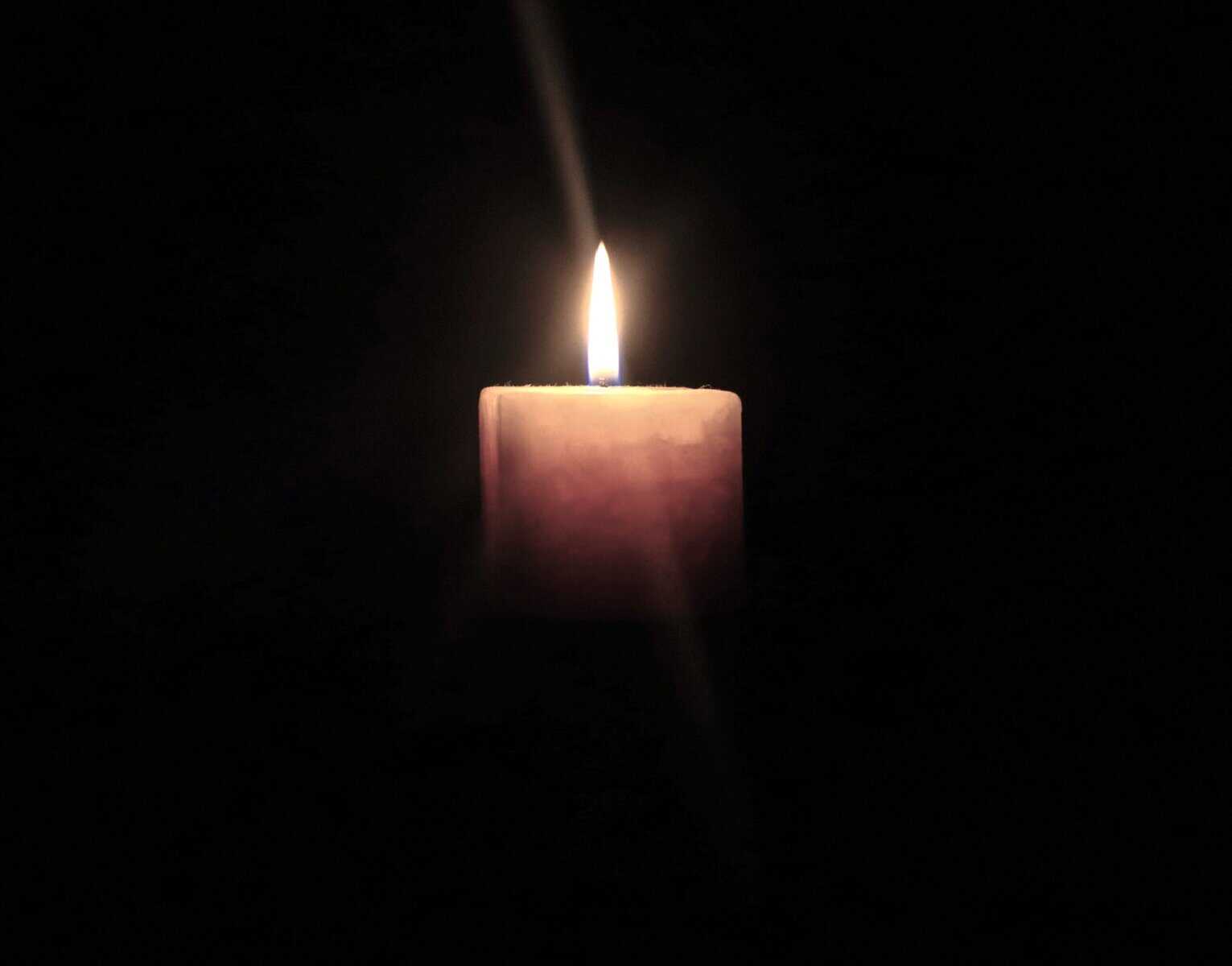
How Long is Too Long to Grieve?
Grief affects every person differently, shaping emotions and responses in deeply individual and personal ways. Sometimes, sorrow lingers longer than expected, making healing feel distant. Moreover, recognising when grief becomes prolonged can help identify the need for additional emotional support. Ultimately, we’ll be exploring how understanding grief’s nature promotes healthier coping and personal growth after loss.
Intense Sorrow: Understanding When Grief Becomes Overwhelming
Grief remains one of the most human experiences, yet its course often surprises and challenges individuals unexpectedly. Sometimes, people struggle to recognise when their grief shifts from normal to prolonged or complicated forms. Moreover, unacknowledged grief can quietly impact daily functioning, emotional wellbeing, and relationships over extended periods of time. Therefore, this blog aims to raise awareness, offer insight, and encourage appropriate support for those silently suffering with intense sorrow. Basically, understanding grief’s complexities empowers people to heal compassionately, move forward, and support others navigating their own losses.
Intense Sorrow: Navigating the Emotional Weight of Grief
Initially, grief brings a complex mix of emotions including sadness, anger, guilt, numbness, and even unexpected relief. Gradually, as time passes, emotional intensity may lessen though moments of deep sorrow can still reappear. Moreover, special dates or memories can reignite feelings, reminding individuals of their ongoing connection to the lost loved one. Ultimately, recognising these fluctuations allows people to accept grief as a natural, evolving part of emotional healing.
Recognising the Natural Flow of Grief
Everyone processes grief differently, and there is no universal timeline that fits every individual’s experience. Research indicates that grieving can take a year or longer, depending on personal and situational factors. Moreover, people often adapt slowly as they reshape routines and rebuild life without the person they lost. Additionally, grief does not move in a straight line, and emotional progress may feel inconsistent. At the end, accepting these fluctuations helps individuals respond to grief with patience, compassion, and realistic expectations.
When Grief Becomes Difficult to Manage
Sometimes grief continues without relief, making it difficult to return to normal daily activities and routines. Occasionally, the emotional pain remains sharp and unchanging, even after significant time has passed. Moreover, prolonged sadness may begin to interfere with sleep, appetite, and meaningful social connections. Additionally, avoiding reminders of the person lost can signal unresolved grief and emotional avoidance. Ultimately, these signs may suggest complicated grief, which requires support, understanding, and often professional guidance to process:
- You cannot believe the person is gone, or it feels very unreal, even after a long time.
- Persistent emotional numbness: The feelings of sorrow, longing, or pain remain very strong and frequent.
- Difficulty engaging with life: Trouble planning for the future, loss of identity or sense of purpose, detachment from other people.
- Avoiding reminders of the loss, or feeling like you cannot enjoy memories or good times because of overwhelming pain.
- The grief is interfering with aspects of daily life such as work, relationships and self-care. Sleep, appetite, mood and physical health may all suffer.
Recognising the Signs of Complicated Grief
Occasionally, grief remains just as raw and overwhelming months later, preventing emotional recovery and daily functioning from progressing. Sometimes, individuals avoid painful reminders entirely, finding themselves emotionally frozen and disconnected from the present. Moreover, when someone cannot imagine a future or experience moments of lightness, the grief may be more complex than expected. Recognising these persistent signs can guide individuals to seek appropriate support before the sorrow becomes even more deeply entrenched.
Intense Sorrow: When Grief Lasts Longer Than Expected
Naturally, each person’s grief is shaped by their relationship, past experiences, and available emotional support system. Sometimes, the suddenness or trauma of a death can prolong emotional processing significantly. Additionally, how individuals were supported during past losses can influence how they cope with current bereavement. Moreover, reminders like anniversaries or meaningful places often bring strong emotions back to the surface unexpectedly. At the end, grief can last for many years, evolving with time but never fully disappearing from one’s life.
Intense Sorrow: What To Do if It Is Overwhelming for You
If the grief is going on in ways that feel overwhelming or stuck, the following are some steps that you might consider:
- Reach out for support: Talking to a trusted friend, family member, or joining a support group can help you feel less alone.
- Professional help: Therapists or counsellors familiar with grief work, or services that address complex grief, can provide strategies for coping and gradually re-engaging with life.
- Allow yourself permission: Sometimes people feel they “should have moved on” by now. However, grief does not follow rules, and even when it has begun to ease, some loss always lingers, and that is okay.
- Track progress in small steps: Are there moments when you can enjoy a memory without tearing up? Is there an hour of the day when thoughts of the loss feel less sharp? These are signs many people do not notice at first, but are important to note.
Final Thoughts
To finish off here, understanding that grief has no fixed timeline allows you to honour your emotions without unnecessary pressure or comparison. Sometimes, seeking support during prolonged grief is a sign of strength, not failure, and can provide essential tools for emotional healing. Moreover, accepting help when needed empowers you to carry the weight of loss while gently reconnecting with life in meaningful and fulfilling ways.
Intense Sorrow: Written by Pamela Borg
If you think that you can benefit from professional support on this issue you can reach out here.
Pamela Borg is a counsellor who enjoys working therapeutically with adults experiencing various issues. These include general mental health and wellbeing, gender, sexuality, relationship issues.
References
American Cancer Society. (2023). Grief and Bereavement. Retrieved from: https://www.cancer.org/cancer/end-of-life-care/grief-and-loss/grieving-process.html
Chung, M. (2023). How Long Does Grief Last? Retrieved from: https://www.talkspace.com/blog/how-long-does-grief-last/
Mayo Clinic. (2022). Complicated Grief. Retrieved from: https://www.mayoclinic.org/diseases-conditions/complicated-grief/symptoms-causes/syc-20360374
Photo by NOOR HOSSAIN on Unsplash