The Rise of Play Therapy – Part 1 of 2
Play therapy helps children communicate through play and process emotions while resolving psychosocial challenges effectively. Furthermore, although play therapy dates back to Ancient Greece, its use has increased within modern therapeutic practices. These play therapy initiatives support children’s wellbeing within safe, structured, and professional therapeutic environments today.
Modern Play Therapy Techniques in Child Development
Play therapy supports individuals across different age groups, offering a flexible approach that adapts to varied emotional and psychological needs effectively. Additionally, therapists use play therapy techniques to help adolescents and adults express feelings that they may struggle to verbalize clearly. However, practitioners most commonly apply play therapy with children aged between three and twelve, where developmental benefits appear most significant. Moreover, professionals design sessions to match each client’s stage of development, ensuring that interventions remain engaging, structured, and therapeutically effective. This approach demonstrates how play therapy provide meaningful support while promoting emotional growth, communication skills, and overall wellbeing.
Modern Play Therapy Techniques for Supporting Children Emotionally
Firstly, play allows children to express thoughts and emotions naturally, making it easier for therapists to understand underlying concerns. Furthermore, play creates a safe and familiar environment, enabling clients to engage openly without feeling pressured by traditional communication methods. Additionally, therapists use play to observe behaviors and patterns, which provides valuable insights into a child’s emotional and psychological development. Consequently, this approach highlights how this therapy service uses play as a powerful tool for communication, growth, and healing.
Developing Emotional Growth Through Play Experiences
Playing creates a structured yet flexible environment where therapists can observe children’s behaviors and responses in a natural and meaningful way. Furthermore, play therapy enables professionals to identify underlying difficulties by analyzing patterns, reactions, and interactions that may not emerge through direct conversation. Therapists use modern play therapy techniques to guide interventions, support emotional regulation, and promote healthier coping strategies within a safe therapeutic setting.
Questions About Why Play Works
By engaging children in play therapy, you help them achieve fulfilment, develop healthy coping strategies, and regulate their emotions effectively. Additionally, therapists guide children through structured activities that encourage emotional expression, helping them better understand and manage their internal experiences. Children build confidence through play, as they practice problem solving and communication skills within a supportive therapeutic environment. Moreover, professionals tailor sessions to each child’s needs, ensuring that therapy remains engaging, meaningful, and aligned with developmental goals. Consequently, this approach empowers children to grow emotionally while strengthening resilience, self-awareness, and overall psychological wellbeing.
Modern Play Therapy Techniques Shaping Emotional Development
Play supports children’s development by strengthening brain function, enhancing physical coordination, and encouraging meaningful interactions that help build secure and trusting relationships. Furthermore, play allows children to explore their environment actively, promoting creativity, problem solving, and emotional understanding through engaging and developmentally appropriate experiences. Play enables children to form connections with others, supporting social development while reinforcing communication skills and emotional resilience in everyday situations.
Modern Play Therapy Techniques in Therapeutic Playrooms
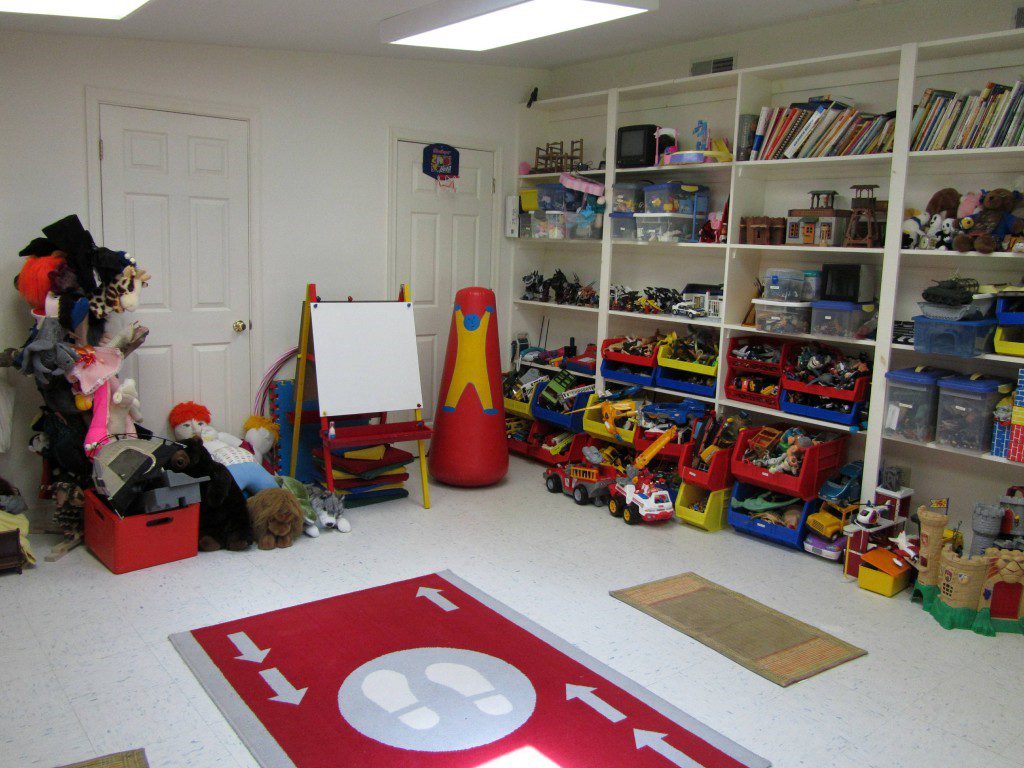
Typically, therapists conduct play therapy sessions in dedicated playrooms designed with safe materials, open spaces, and calming, child-friendly environments. Additionally, practitioners include a wide variety of toys such as dolls, balls, and role-play tools to encourage creative expression. Furthermore, therapists arrange items like whiteboards, chalkboards, and animal figures to help children communicate thoughts, feelings, and experiences through structured play. Moreover, professionals carefully select safe and engaging materials, including plastic cutlery and themed kits, to support imaginative exploration and therapeutic interaction. These environments allow children to feel comfortable, promoting emotional expression, relationship building, and active participation throughout each therapy session.
Final Thoughts on Modern Play Therapy Techniques
To conclude, play therapy supports emotional growth and wellbeing through structured and engaging therapeutic approaches for children. Furthermore, its growing use highlights the value of safe environments encouraging expression and meaningful therapeutic progress. This approach reinforces the importance of professional care in promoting long-term emotional development and resilience.
Written by Danica Cassar
If you think that you can benefit from professional support on this issue you can reach out here.
Danica Cassar is a Health Psychology Practitioner. She graduated with a Bachelor of Psychology Honours from the University of Malta. In addition, she obtained a Master of Science in Health Psychology from the University of Bath. She can be contacted on [email protected] or call us on 79291817.