Growing up with a Narcissistic Parent
First off, I chose this topic because of real experiences in my life, including seeing unhealthy separation between parents and children. Moreover, these situations show struggles in parent–child relationships, often causing separation anxiety for both sides during this difficult process. In addition, I wanted to look deeper and understand why separation sometimes becomes blocked, interrupted, or emotionally stuck. Eventually, inspired by these stories, I hope to explain the reasons behind these struggles and suggest healthier ways forward.
Understanding Childhood Experiences in Narcissistic Households
So what is narcissism? Narcissism is usually defined as a personality disorder that shows an inflated sense of self-importance and need for admiration. Moreover, people with narcissistic personality disorder often find it hard to show empathy, build healthy relationships, and avoid seeking constant attention. Additionally, this condition hides a weak self-esteem, where extreme confidence covers sensitivity to even small criticism. Therefore, narcissism mixes outward pride with inner insecurity, shaping behaviours that harm personal and professional relationships. So in short, seeing these patterns helps us understand better, show compassion, and deal with challenges caused by narcissistic traits.
How Control Shapes a Child’s Independence
Narcissism shouldn’t be seen as one fixed form but rather a scale of behaviours expressed differently. Moreover, narcissistic parents often become excessively close, viewing their children as possessions while feeling threatened by growing independence. Additionally, this possessiveness may manifest as envy or control, limiting a child’s ability to explore autonomy and individuality. Consequently, such dynamics create narcissistic attachment, where children exist primarily to satisfy parental expectations and emotional needs. Ultimately, recognising these patterns allows a deeper understanding of family dysfunction and helps identify pathways toward healthier, more balanced relationships.
Challenges Narcissistic Abuse Survivors Face in Adulthood
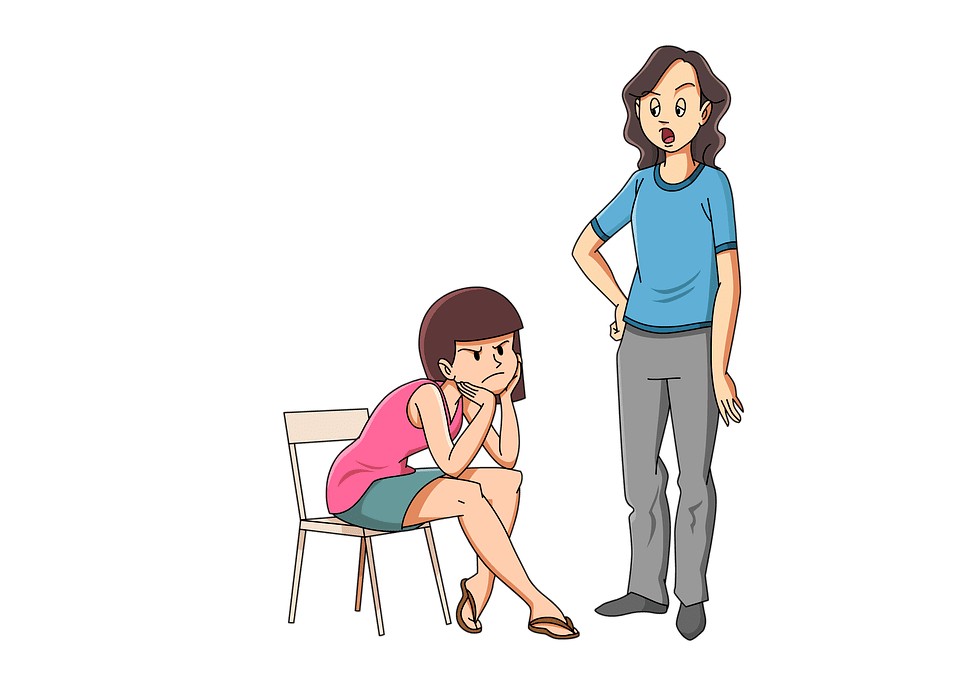
Commonly, narcissistic parents pressure children into behaving like puppets, punishing them emotionally when expectations remain unmet. Such dynamics involve manipulative control, eroding self-esteem and limiting children’s ability to form independent identities effectively. Relative to developmental psychology, narcissistic parenting negatively impacts reasoning, emotional growth, and ethical understanding during maturation. Moreover, children raised this way often struggle socially, finding difficulty in relationships and community interactions as adults. Within narcissistic households, personal boundaries are routinely ignored, reinforcing patterns of dependency and compliance among children. Parents focused on controlling and manipulating children’s behaviour to fulfil expectations, disregarding individuality and authentic emotional needs. Ultimately, narcissistic parenting shapes children’s beliefs, values, and behaviours, often perpetuating cycles of dysfunction into future generations.
Narcissistic Abuse Survivors and the Struggles with Self-Confidence
Now, children raised by narcissistic parents often struggle with self-confidence and self-image. Obviously, their natural need for love and approval becomes conditional, depending on meeting their parent’s expectations. Typically, care and affection are only given when children meet their parent’s wishes. Therefore, children learn self-worth through obedience, feeling valued only when meeting outside demands. Ultimately, such environments shape fragile identities, leaving children open to insecurity and emotional dependence.
Detaching from Toxic Family Dynamics
Firstly, breaking up with a narcissistic parent involves recognising lifelong patterns where your needs were consistently ignored or dismissed. Moreover, many adults realise they’ve spent years providing validation and ego boosts, leaving their own desires unmet and neglected. Additionally, prioritising yourself becomes essential, as continuing unhealthy dynamics only reinforces dependency and prevents personal growth. Therefore, detachment takes deliberate effort, teaching people to set clear, firm boundaries that protect emotional health. Furthermore, learning to separate personal identity from parental demands builds strength and supports true self-worth. Ultimately, gaining independence allows people to heal, grow, and create healthier relationships outside toxic family environments.
Avoiding Confrontation: A Key Step for Narcissistic Abuse Survivors
Under boundary setting is the important step of avoiding fights when dealing with narcissistic parent behaviour. The individual must learn that they are not to blame for broken family relationships or emotional stress. Importantly, accepting that parents may not easily let go helps children reduce guilt and false expectations. It is vital to remember that personal wellbeing comes first when stepping back from unhealthy family patterns. Although the process is tough and draining, keeping at it brings growth and strength. Once children start setting healthy limits, their confidence grows and independence becomes stronger. Ultimately, protecting personal wellbeing builds healthier identities and helps children thrive beyond narcissistic family influence.
Final Thoughts
To finish off, supporting survivors of narcissistic abuse requires compassion, patience, and strong boundaries that encourage healing, independence, and emotional growth. Moreover, recognising damaging family patterns allows individuals to reclaim self-worth, build resilience, and create healthier relationships beyond toxic parental influences. Additionally, prioritising personal wellbeing and emotional balance empowers survivors to maintain strength, stability, and confidence throughout their recovery journeys. Therefore, offering consistent support, empathy, and understanding fosters long-term healing and helps survivors thrive beyond narcissistic family dynamics effectively.
Sources
“On Narcissism” – Sigmund Freud
www.huffingtonpost.com
www.mayoclinic.org
www.wikipedia.org
Narcissistic Abuse Survivors: Written by Tiana Ivanovska
Tiana Ivanovska is a graduated Psychologist and Masters student on Strategic Management of HR, and is also a Gestalt therapist under supervision. She loves retro music, video games, nature and simplicity. She is participating in a summer internship programme at Willingness.com.mt.