
Emotional Neglect in Relationships: How to Spot It
Although emotional neglect may appear subtle, it often causes lasting damage to connection within romantic relationships over time. The absence of arguments or visible conflict can mask the emotional disconnection growing silently between partners. Emotional neglect reveals itself in those quiet, everyday moments where understanding, presence and emotional support are expected but consistently missing.
Neglect In Romantic Relationships: Subtle Signs That Matter
One common sign of emotional neglect is feeling emotionally alone despite being in a committed romantic relationship daily. Sometimes couples share a home, responsibilities, and routines, yet lack true emotional connection, leading to feelings of being unseen. Frequently, conversations remain surface-level and practical, avoiding deeper emotional topics like personal struggles, fears, and vulnerability. Gradually, this emotional disengagement creates growing distance and loneliness, even when physical closeness or shared tasks are maintained. Eventually, individuals may stop expressing emotional needs altogether, protecting themselves from repeated invalidation and deepening the cycle of emotional neglect.
Recognizing the Silent Strain on Emotional Connection
However, emotional neglect often appears when one partner dismisses or minimizes feelings instead of offering comfort and empathy. Meanwhile, responses like “You’re overreacting” or “Calm down” reveal an inability to recognize emotional needs as valid and important. Furthermore, reacting with impatience or quick fixes rather than curiosity shows a lack of emotional engagement and deeper understanding. Ultimately, emotional neglect is sensed through silence, absence of follow-up, and the failure to create space for vulnerability.
When Emotional Support Is Nowhere to Be Found
Often, emotional neglect becomes especially evident during moments of high stress, personal struggle, or when emotional reassurance is most needed. Sometimes, a partner may be physically nearby yet remain emotionally distant, offering no genuine comfort, presence, or validation in those vulnerable times. Meanwhile, the neglected individual may begin questioning the legitimacy of their feelings and needs, wondering if they are being overly sensitive or unreasonable. This repeated lack of emotional responsiveness can lead to deep loneliness, eroded trust, and long-term disconnection within the relationship.
Neglect In Romantic Relationships: The Quiet Disconnect That Hurts Most
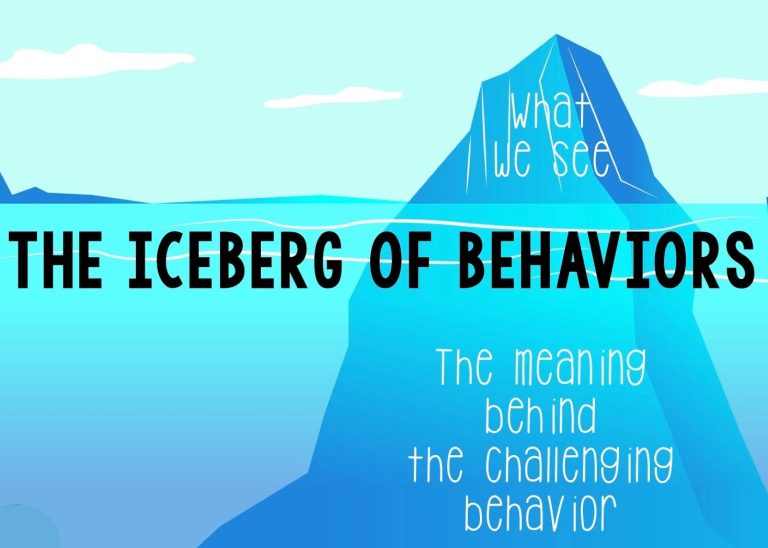
Instead, individuals may gradually suppress their emotional needs when they are continuously unmet, leading to silence in place of meaningful emotional expression. Eventually, this kind of emotional withdrawal might resemble independence or self-sufficiency, yet beneath the surface often lies unresolved hurt, exhaustion, and quiet resignation. Over time, repeated emotional neglect may result in growing resentment or a sense of emotional numbness as a protective barrier against further disappointment.
Neglect In Romantic Relationships: Understanding the Deeper Impact
Recognizing emotional neglect involves increasing awareness of relational patterns rather than placing blame on either partner for the disconnection. Sometimes, individuals who neglect emotionally were never taught how to recognise, express, or respond to emotions in healthy and supportive ways. However, understanding how emotional neglect develops allows couples to begin addressing the issue with compassion, patience, and shared responsibility. Moreover, developing emotional literacy through honest conversations can foster deeper understanding and help rebuild trust within the relationship. Seeking professional support can provide tools and guidance to repair emotional distance and create a more secure emotional connection.
Final Thoughts
To close off, emotional presence builds trust and connection, forming the foundation of every truly healthy romantic relationship. Recognizing emotional neglect early allows individuals to protect their wellbeing and communicate their needs more clearly. Moreover, choosing relationships that prioritize empathy and emotional safety leads to deeper, more fulfilling long-term connection.
Neglect In Romantic Relationships: Written by Charlot Cauchi
If you think that you can benefit from professional support on this issue you can reach out here.
Charlot Cauchi is a Gestalt Psychotherapist at Willingness. He has experience working with adult clients with mental health difficulties, anxiety and depression, loss and grief, traumatic experiences, stress and relational issues.
References
Saladino, V., Cuzzocrea, F., Calaresi, D., Gullo, J., & Verrastro, V. (2024). Attachment styles and perceived emotional support: A mediation model. Social Sciences, 13(5), 231. https://doi.org/10.3390/socsci13050231