
How Trauma Can Be Passed Down Without Words
Trauma is often viewed as something belonging only to the individual who directly experienced a distressing or overwhelming event. However, research and clinical experience show that trauma can extend beyond individuals, travelling across generations even without being openly discussed. Families may carry emotional patterns, fears, and coping strategies rooted in past experiences, known as intergenerational or transgenerational trauma.
Generational Trauma Transmission in Emotional Responses
One way trauma is transmitted involves emotional and behavioral patterns that develop after distressing or overwhelming experiences. Additionally, individuals who experience trauma, such as war, abuse, or loss, adapt their nervous systems to survive. Moreover, these adaptations often include hypervigilance, emotional withdrawal, difficulty trusting others, and maintaining a constant sense of threat. Furthermore, these responses shape how individuals perceive safety, relationships, and emotional connection within their daily environments. Consequently, individuals may unknowingly pass these patterns to others through behavior, communication styles, and emotional responses. Ultimately, these adaptations influence family dynamics, reinforcing cycles of trauma across generations without requiring direct discussion or awareness.
Generational Trauma Transmission Through Repeated Patterns
Even when traumatic events are not openly discussed, these responses shape how individuals relate to the world and to others. Additionally, these patterns influence how individuals connect with their children, shaping attachment, communication, and emotional responses within family relationships. Moreover, over time, these repeated behaviors become embedded within family dynamics, reinforcing patterns that reflect earlier unprocessed trauma experiences. These dynamics can continue across generations, shaping relationships and emotional environments without requiring direct awareness or open discussion.
Zones Where Identity and Trauma Develop
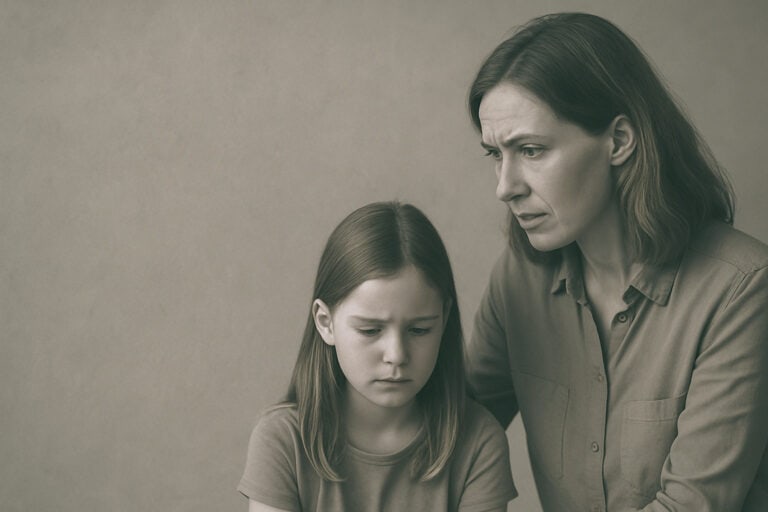
Firstly, children learn about the world through observation and emotional attunement, absorbing how caregivers respond to stress, conflict, vulnerability, and everyday emotional challenges. Additionally, if a parent struggles with unprocessed trauma, their coping strategies can become the unspoken emotional climate shaping the household environment. Consequently, trauma may be transmitted not through stories, but through behavior, attachment patterns, and everyday interactions that influence a child’s emotional development.
Generational Trauma Transmission Without Words
Silence itself can act as a powerful vehicle for transmitting trauma, shaping emotional experiences without requiring explicit discussion or acknowledgement. Additionally, in many families, individuals do not openly discuss painful histories, leaving important emotional experiences unspoken and unprocessed. Moreover, survivors may remain silent to protect loved ones, avoid reliving distress, or because their social context discouraged open expression. Furthermore, this silence can create confusion, as individuals sense emotional tension without understanding its origin or underlying meaning. These unspoken experiences influence beliefs about safety, relationships, and identity, shaping how individuals understand themselves and others over time.
Hidden Patterns in Unspoken Experiences
However, the absence of language does not remove the emotional impact that trauma continues to carry within families. Additionally, children may sense tension, grief, or fear without understanding its origin, creating confusion and emotional uncertainty. Furthermore, these unspoken experiences can influence how children interpret safety, relationships, and emotional connection within their environment. Over time, these patterns shape beliefs about identity and belonging, even when the original trauma remains unnamed.
Biology of Trauma Across Generations
Additionally, there is growing interest in biological pathways through which trauma may influence how future generations respond to stress and adversity. Moreover, research in epigenetics suggests that severe or prolonged stress can alter how specific genes related to stress regulation are expressed. Furthermore, these changes do not modify the DNA sequence itself, but they can significantly influence how the body responds to threat. Consequently, some studies indicate that these epigenetic markers may be passed to offspring, shaping how future generations react to adversity. This highlights how trauma may extend beyond psychological experience, influencing biological processes that affect emotional, behavioral, and physiological responses across generations.
Generational Trauma Transmission and Emotional Recovery
Inheriting trauma does not mean inheriting the original event, but rather the responses developed around that experience. Additionally, individuals may inherit coping strategies, emotional patterns, and nervous system responses shaped by earlier traumatic experiences within their family. Moreover, when individuals begin to recognize patterns within their family histories, they create opportunities to respond differently and more intentionally. Furthermore, therapeutic work, supportive relationships, and safe environments help individuals process inherited patterns and develop healthier ways of relating. Ultimately, this process supports personal healing while also interrupting cycles of trauma that may have existed across generations.
Final Thoughts on Generational Trauma Transmission
To conclude, understanding that trauma can pass down without words highlights the importance of looking beyond individual experiences to wider family systems. Moreover, when the hidden legacy of trauma is acknowledged and addressed, individuals can begin to transform what was once silently inherited. This process allows individuals to move towards conscious healing, fostering healthier relationships across present and future generations.
Written by Pamela Borg
If you think that you can benefit from professional support on this issue you can reach out here.
Pamela Borg is a counsellor who enjoys working therapeutically with adults experiencing various issues. These include general mental health and wellbeing, gender, sexuality, relationship issues.
References
Fry, B. (2026). Intergenerational Trauma: When the Past Has No Memory. Retrieved from: https://khironclinics.com/blog/intergenerational-trauma-when-the-past-has-no-memory/
Martin, M. (2025). What Your Family Didn’t Say Still Got Passed Down. Retrieved from: https://cptsdfoundation.org/2025/09/25/what-your-family-didnt-say-still-got-passed-down/
Rivera, L. (2025). The Legacy of Trauma: Understanding How Trauma Can Be Passed Down. Retrieved from: https://www.thelisteningbodycounseling.com/blog/the-legacy-of-trauma-understanding-how-trauma-can-be-passed-down
Photo by Vitaly Gariev on Unsplash