
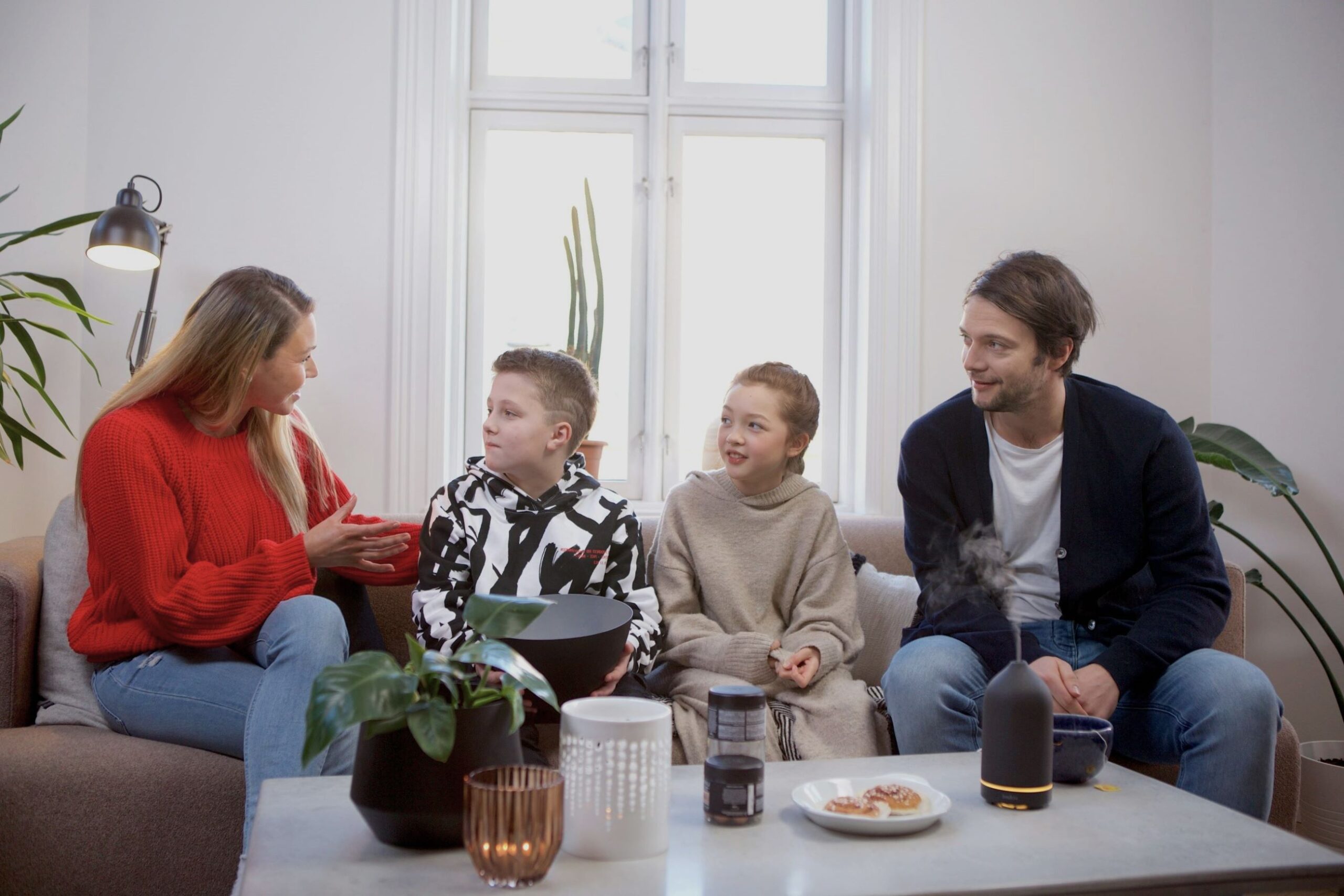
Co-Parenting
Partnered parenting recognizes that although parents separate romantically, they can still cooperate to nurture children together. Furthermore, through communication and mutual respect, parents gradually create stability that helps children feel secure and emotionally supported. This approach encourages separated parents to prioritize wellbeing, demonstrating that families can remain loving despite relationship changes.
Joint Parenting Plan for Raising Children Together After Separation
However, many parents acknowledge past conflict yet consciously choose cooperation so their children experience stability, care, and shared support. Additionally, parents can intentionally redefine their relationship, focusing on shared responsibilities and respectful communication that prioritizes children’s emotional wellbeing. Importantly, consistent routines help children feel secure, because parents clearly agree on rules, expectations, and supportive approaches across households. Meanwhile, cooperative planning allows both parents to remain actively involved, reinforcing trust, reliability, and a nurturing environment for children. Ultimately, parents who practice consistency demonstrate commitment, showing children that teamwork and stability remain possible even after separation.
Joint Parenting Plan That Builds Stability for Children
When parents apply the same rules, rewards, and consequences across households, children gain clearer expectations and stronger emotional stability. Furthermore, consistent parenting approaches help children adapt more easily to living between two homes without confusion or anxiety. Importantly, child-focused co-parenting requires adults to manage their emotions and maintain respectful communication, even during challenging conversations. Finally, parents should avoid sharing frustrations about their former partner with children, protecting them from conflict and emotional strain.
Uniting Around Children’s Wellbeing After Separation
When parents use children as messengers between households, they unintentionally place them at the center of tension and emotional conflict. Moreover, effective co-parenting depends on parents maintaining direct, respectful communication with each other while keeping discussions calm, constructive, and focused on their children’s wellbeing. If disagreements occur, responsible parents manage these discussions privately and avoid exposing children to conflict that could undermine their sense of security.
Trust and Teamwork Between Separated Parents
Patience allows parents to approach co-parenting challenges calmly, helping them make thoughtful decisions that support their child’s emotional wellbeing. Additionally, when parents practice compromise, they demonstrate cooperation and maturity, which encourages children to feel secure within both households. Moreover, respectful compromise strengthens the co-parenting relationship by reducing tension and fostering a more balanced and supportive parenting environment. Gradually, children observe these behaviors and learn valuable lessons about communication, empathy, and resolving disagreements in healthy ways. Patient and cooperative parents create a stable atmosphere where children feel valued, supported, and confident in their family relationships.
Bringing Children First in Parenting Decisions
Respect between parents creates a cooperative environment where children feel supported and able to maintain strong relationships with both caregivers. Additionally, clear communication enables parents to address concerns constructively while focusing decisions on their child’s wellbeing and long-term emotional stability. Moreover, consistent routines across households help children understand expectations, reducing confusion and creating a stronger sense of stability and security. Gradually, these cooperative behaviors minimize unnecessary conflict and encourage children to feel comfortable maintaining meaningful, trusting connections with each parent. Ultimately, respectful co-parenting strengthens family stability and allows children to grow confidently within a supportive environment despite parental separation.
Final Thoughts
To wrap up, effective co-parenting requires patience, respect, and clear communication so children continue feeling supported and secure. Furthermore, parents who prioritize their children’s wellbeing create a healthier environment despite past relationship challenges. Cooperative parenting helps children grow confidently while maintaining strong and meaningful relationships with both parents.
Joint Parenting Plan: Written by Louise Camilleri
Louise Camilleri is a first year Bachelor of Psychology (Hons.) student at the University of Malta. She is particularly interested in sex therapy and is an intern at Willingness.com.mt.