Finding the Balance
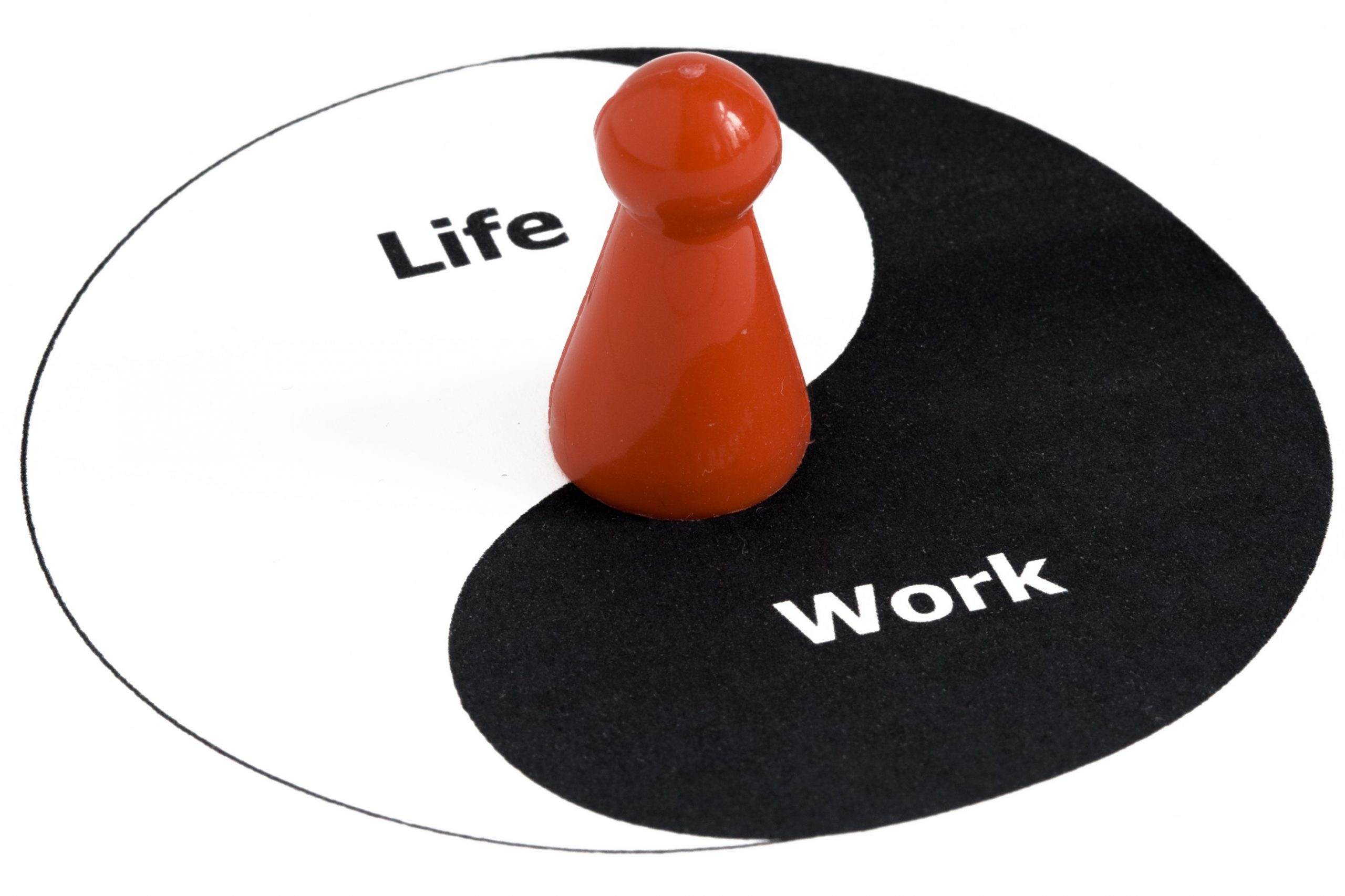
Throughout our lives, we take on multiple roles, particularly those linked to our professional responsibilities and family commitments. Furthermore, managing these roles constantly can become overwhelming, especially when demands increase and individuals struggle to maintain a healthy sense of balance. People may find themselves prioritizing one role over another, which can negatively impact their wellbeing and overall mental health.
Optimal Balance in Work and Life
Achieving work-life balance requires effort, as individuals manage demands from both personal and professional responsibilities. Furthermore, when people fail to maintain this balance, they often experience stress, negatively affecting their mental and emotional wellbeing. Similarly, prolonged imbalance can affect physical health, as individuals may neglect rest, nutrition, and exercise due to commitments. Consequently, relationships may suffer when individuals prioritize work excessively, reducing time and energy available for meaningful personal connections. Importantly, reduced productivity can occur, as burnout and fatigue limit concentration, decision-making, and overall performance in professional environments. Ultimately, maintaining balance supports healthier functioning, allowing individuals to manage responsibilities effectively while protecting wellbeing and sustaining long-term success.
Optimal Balance Through Smarter Priorities
Individuals should evaluate the importance of each task within their routine and eliminate activities that do not provide meaningful value. Furthermore, prioritizing essential responsibilities helps individuals focus their time and energy more effectively, reducing unnecessary stress and improving overall productivity. Similarly, tasks such as endlessly scrolling through social media can consume valuable time while offering little benefit to personal or professional development. Consequently, removing these distractions allows individuals to create a more structured routine that supports balance, efficiency, and improved mental wellbeing.
Focusing on Both Family and Free Time Balance
Additionally, individuals should avoid allowing work responsibilities to dominate their time, ensuring clear boundaries between professional duties and personal life. Furthermore, leaving work at the workplace helps individuals mentally disconnect, allowing them to engage more fully in rest and meaningful activities. Similarly, when spending time with loved ones, individuals should turn off devices to minimize distractions and maintain genuine, uninterrupted social interactions. Creating these boundaries supports healthier relationships, improves mental wellbeing, and helps individuals maintain a sustainable and effective work-life balance.
Limiting Distractions for Better Work Focus
When working from home, individuals should minimize distractions by creating a structured environment that supports focus and productivity throughout the working day. Furthermore, maintaining clear boundaries between tasks helps individuals concentrate fully, ensuring they complete each responsibility efficiently without unnecessary interruptions or delays. Consequently, planning to finish tasks within a reasonable timeframe allows individuals to manage workload effectively while maintaining balance between professional duties and personal wellbeing.
Optimal Balance Through Clear Client Boundaries and Communication
Also, professionals should clearly communicate their availability to clients, ensuring expectations remain realistic and manageable within their working schedule at all times. Furthermore, setting these boundaries helps prevent over-commitment, allowing individuals to maintain control over their workload and avoid unnecessary stress or exhaustion. Similarly, consistent communication ensures clients understand when support is available, promoting mutual respect and more effective professional relationships. Consequently, establishing limits enables individuals to protect their time, balancing client needs with personal wellbeing and other professional responsibilities. Maintaining clear boundaries supports sustainable practice, helping professionals deliver high-quality care while preserving their own mental health and work-life balance.
Building Better Habits for Lasting Change
Individuals should introduce changes gradually, allowing themselves time to adapt and build sustainable habits without feeling overwhelmed or discouraged. Furthermore, making small adjustments helps individuals remain consistent, increasing the likelihood of maintaining these changes over a longer period of time. Similarly, gradual implementation allows individuals to monitor progress effectively, identifying what works best for their routine and overall wellbeing. Consequently, this approach reduces pressure and prevents burnout, supporting a more balanced transition towards healthier and more manageable lifestyle practices. Ultimately, adopting changes slowly enables individuals to create lasting improvements that align with their personal goals and support long-term wellbeing.
Final Thoughts
To close off here, achieving balance requires effort, planning, and adjusting routines to meet changing personal and professional demands. In addition, maintaining balance supports wellbeing, helping individuals function effectively while preserving relationships and overall life satisfaction. Using sustainable strategies enables individuals to manage responsibilities confidently, promoting stability, resilience, and a healthier approach to daily life.
Optimal Balance: Written by Alessia Camilleri
Alessia Camilleri is a first year Bachelor of Psychology (Hons.) student at the University of Malta. She is particularly interested in the counselling and family therapy services and is also an intern at Willingness.com.mt.